Best 4K Projector Under $2000 2026 — Top 10 Reviews & Buyer’s Guide
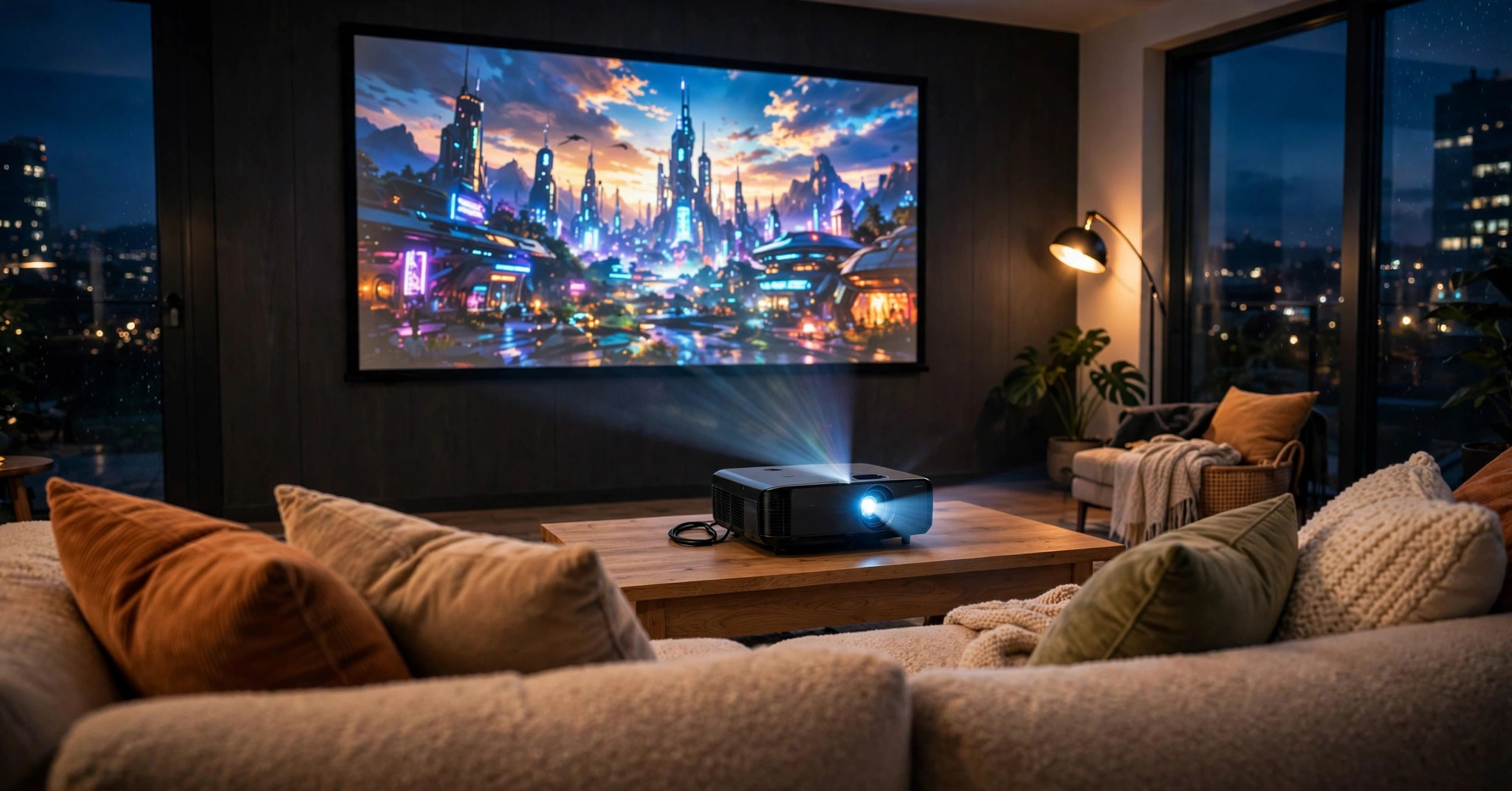
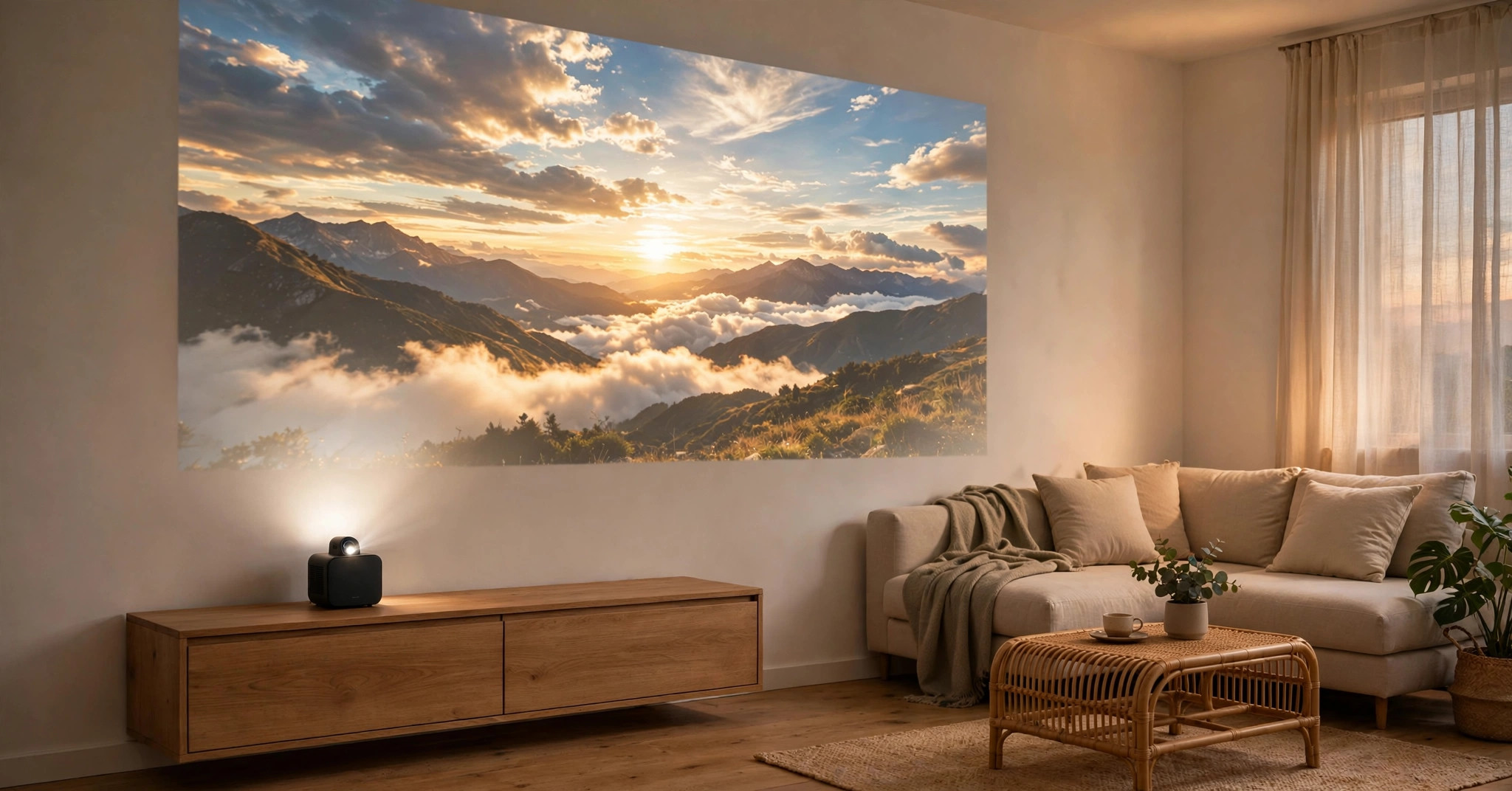
Finding the best 4K projector under $2000 used to mean settling for compromises — dim images, washed-out colors, or “4K” that wasn’t really 4K. Not anymore. In 2026, this price bracket is the sweet spot of the projector market: true 4K resolution, serious brightness, laser light sources, and gaming-grade low input lag are all available without crossing into flagship territory.
Whether you’re building a dedicated home theater in a dark basement, upgrading the living room for movie nights and PS5 sessions, or you just want the sharpest big-screen experience your money can buy, one of these ten picks will fit. We’ve researched the current 2026 lineup across every major use case — movies, gaming, bright rooms, and smart all-in-ones — so you don’t gamble on outdated models or inflated spec sheets.
One thing to know before we dive in: at this price you’ll meet two kinds of “4K” — native 4K chips and pixel-shifting designs that produce a 4K image from a lower-resolution engine. Both can look excellent (we explain the difference in the buyer’s guide), but knowing which type you’re buying matters more than any other spec in this bracket.
Top 10 Best 4K Projectors Under $2000 in 2026 — Comparison Table
| Projector | 4K Type | Brightness | Best For | Buy |
|---|---|---|---|---|
| Epson Home Cinema 3800 | 4K PRO-UHD (pixel-shift) | 3,000 lumens | Best overall | Buy from Amazon |
| BenQ TK800M | True 4K DLP | 2,200 ANSI lumens | Best dedicated home theater | Buy from Amazon |
| ViewSonic PX749-4K | True 4K DLP | 4,000 ANSI lumens | Best for bright rooms | Buy from Amazon |
| Optoma UHD38 | True 4K DLP | 4,000 lumens | Best for gaming | Buy from Amazon |
| Optoma UHZ45 | True 4K DLP laser | 3,000 lumens | Best laser projector | Buy from Amazon |
| XGIMI Horizon Ultra | True 4K (LED+laser) | 2,300 ISO lumens | Best premium smart projector | Buy from Amazon |
| Dangbei Mars Pro 2 | True 4K laser | 2,450 ISO lumens | Best value 4K laser | Buy from Amazon |
| BenQ TK700STi | True 4K DLP | 3,000 lumens | Best short-throw gaming | Buy from Amazon |
| Hisense C2 | Triple-laser 4K | 2,000–2,200 ANSI lumens | Best portable mini 4K | Buy from Amazon |
| JMGO N1S Ultimate | Triple-laser 4K | 2,800 ISO lumens | Best gimbal-style smart 4K | Buy from Amazon |
Best 4K Projectors Under $2000 — Detailed Reviews
Shopping on a tighter budget? Our best projectors under $1000 guide covers excellent 1080p and entry-level 4K picks.
1. Epson Home Cinema 3800 — Best Overall 4K Projector Under $2000
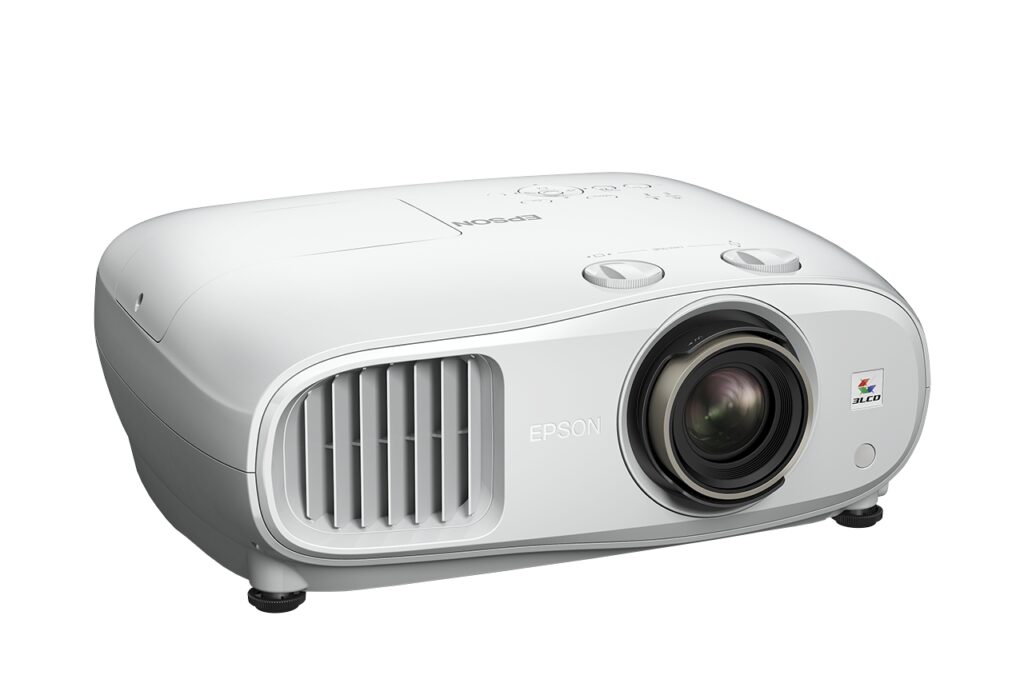
If you want one projector that does everything well, start here. The Epson Home Cinema 3800 has been the reference pick in this price class for years, and it earns that status the honest way: superb color accuracy from its 3-chip 3LCD engine, 3,000 lumens of real brightness, and 4K PRO-UHD resolution with full 10-bit HDR processing. See full specs on Epson\’s official site.
The 3LCD advantage is the headline. Unlike single-chip DLP projectors, whose spinning color wheel a small percentage of viewers perceive as distracting “rainbow” flashes, the 3800’s three fixed LCD panels produce zero rainbow artifacts — ever. Color accuracy is reference-grade for the price, with vibrant yet natural tones.
It’s also genuinely versatile: bright enough for rooms with some ambient light, a 1.62x zoom plus vertical lens shift for flexible placement, and 18 Gbps HDMI 2.0 inputs that accept true 4K HDR at 60fps — so console gaming at 4K60 works properly.
The trade-offs are the package, not the picture. There’s no smart platform built in — you’ll pair it with a Fire TV Stick or Apple TV — the chassis is large and needs a proper shelf or ceiling mount, and the built-in speakers are basic. You’re paying for image quality, and it shows on screen.
Key specs: 4K PRO-UHD (pixel-shift) · 3,000 lumens · 3-chip 3LCD (no rainbow effect) · 100,000:1 contrast · HDR10 · 1.62x zoom + vertical lens shift · 18Gbps HDMI 2.0
✓ Pros
- Reference-grade color accuracy with zero rainbow artifacts
- Bright enough for rooms with ambient light
- Full 10-bit HDR processing with excellent tone mapping
- Flexible placement via zoom and lens shift
- True 4K60 gaming support over HDMI
✗ Cons
- No built-in smart platform — needs a streaming stick
- Large chassis demands dedicated shelf or ceiling space
- Basic built-in speakers; external audio expected
Why buy it: The safest all-around pick — the best blend of color, brightness, and versatility under $2000.
2. BenQ TK800M — Best 4K Projector for Home Theater (Dedicated Dark Room)
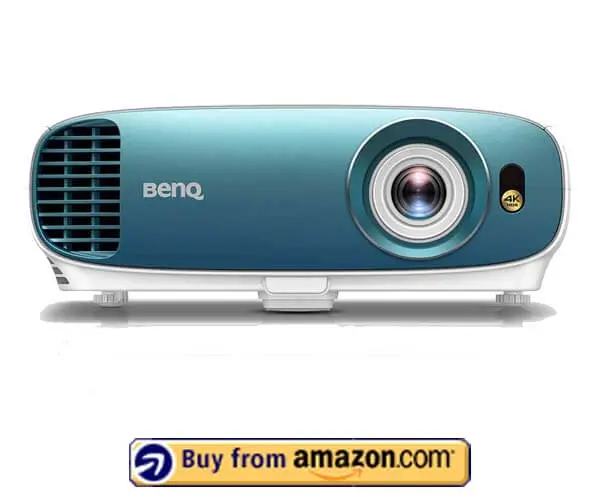
If you watch more live sports than movies, the BenQ TK800M is built for you. This is a true 4K UHD projector with 8.3 million distinct pixels, but its real superpower is brightness: 3,000 lumens means you can watch the big game with the lights on and still see every detail. BenQ’s dedicated Football and Sport modes optimize color and motion for fast-paced action, while HDR10 and HLG support ensure that when you do switch to movies, the image holds up beautifully. Check BenQ\’s official projector lineup for the latest models.
What sets the TK800M apart from home theater purist models is its versatility. The 3,000-lumen output handles ambient light that would wash out dimmer projectors, making it perfect for living rooms, sports bars, or backyard movie nights. The 1.3x zoom and vertical lens shift make placement flexible, and the low input lag keeps gaming responsive. It’s not the most color-accurate projector in this list — that crown goes to dedicated theater models — but for bright-room viewing and sports, it’s unmatched.
Pros:
- 3,000 lumens — excellent for bright rooms
- Dedicated sports modes with motion optimization
- True 4K resolution with HDR10/HLG
- Flexible placement with lens shift
- Great value for the brightness
Cons:
- Color accuracy not quite reference-level
- Black levels suffer in dark rooms vs. theater models
- Fan noise noticeable in quiet scenes
3. ViewSonic PX749-4K — Best for Bright Rooms
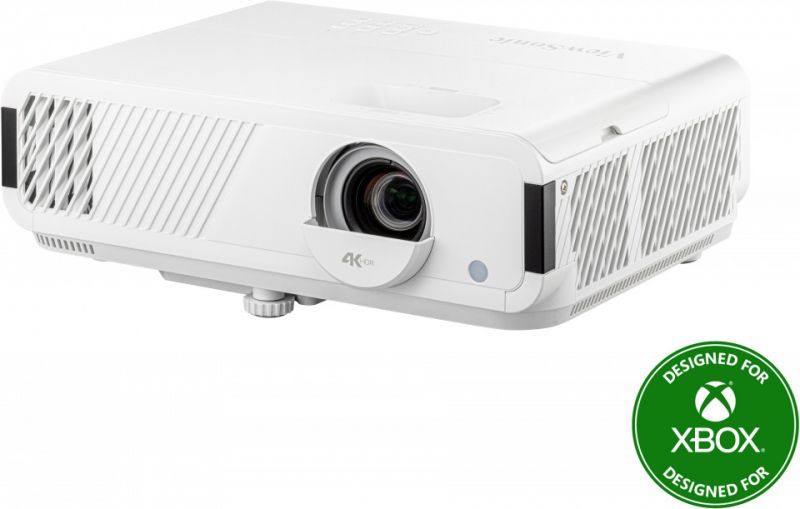
If your room has windows, lamps, or you simply refuse to watch movies in a cave, brightness is everything — and the ViewSonic PX749-4K brings more of it than anything else on this list: a searing 4,000 ANSI lumens. That’s enough light output to hold a punchy, watchable 4K image with the lights on, something most “home theater” projectors can’t dream of.
It’s not just a brightness cannon, either. The PX749-4K is a true 4K DLP projector with HDR/HLG support, and its 240Hz refresh rate with ~4.2ms input lag makes it a stealth gaming monster — competitive with dedicated gaming projectors. The 1.3x optical zoom and generous connectivity (including USB-C for direct device hookup) keep setup flexible.
The compromise is contrast: chasing maximum lumens means black levels that can’t match the BenQ TK800M or Epson 3800 in a dark room. Colors are good rather than reference-grade. And like most bright DLPs, there’s no smart OS — plan on a streaming stick. But that’s the physics of the trade: lumens for ambient light, contrast for bat caves. If your room isn’t a bat cave, this is your projector.
Key specs: True 4K UHD · 4,000 ANSI lumens · 240Hz / ~4.2ms gaming · HDR + HLG · 1.3x zoom · USB-C · 12,000:1 contrast
✓ Pros
- Brightest projector on this list — thrives in ambient light
- Excellent gaming specs (240Hz, ultra-low input lag)
- True 4K resolution with HDR support
- Versatile connectivity including USB-C
✗ Cons
- Black levels can’t match dark-room specialists
- No smart platform built in
- Fan noise is noticeable at full brightness
Why buy it: For living rooms, dens, and multi-use spaces where the lights stay on. Brightness wins.
4. Optoma UHD38 — Best 4K Projector for Gaming
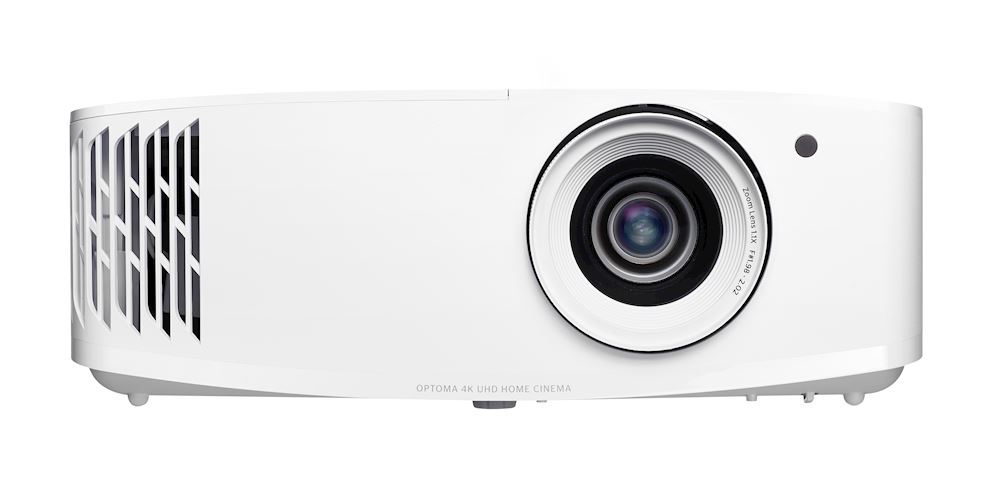
The Optoma UHD38 is built for one audience and serves them brilliantly: gamers who want a massive 4K screen without giving up responsiveness. Its headline spec is a 4.2ms input lag at 1080p240Hz (and a highly competitive ~16ms at 4K60) — numbers that embarrass projectors costing twice as much and make fast-paced shooters, racers, and fighters feel properly connected.
But it’s no one-trick pony. The UHD38 is a true 4K UHD projector pumping out 4,000 lumens, so it’s also one of the brightest options here — equally at home with daytime sports and bright-room movie sessions. HDR10 and HLG support, a 1,000,000:1 dynamic contrast ratio, and Optoma’s DLP color tuning deliver a punchy, vibrant image that looks great even if it doesn’t chase reference-level calibration.
Setup is gamer-friendly: 1.3x zoom, vertical lens shift, and automatic keystone keep it flexible, while dual HDMI 2.0 ports handle console + PC. The 15,000-hour lamp life in Eco mode keeps running costs sane.
Downsides mirror the category: no smart OS (consoles are the smart platform here anyway), single-chip DLP rainbow potential for the sensitive few, and fan noise at full brightness. For pure movie-watching in a dark room, the Epson 3800’s contrast is richer — but for anyone splitting time between films and games, the UHD38 is the most fun per dollar on this list.
Key specs: True 4K UHD · 4,000 lumens · 4.2ms input lag (1080p240) / ~16ms (4K60) · HDR10 + HLG · 1,000,000:1 contrast · 1.3x zoom + vertical lens shift
✓ Pros
- Class-leading input lag — genuinely competitive for gaming
- Very bright; works in ambient light
- True 4K with strong HDR punch
- Great value for a dual movie/gaming role
✗ Cons
- No built-in smart platform
- Contrast can’t match dark-room specialists
- Possible rainbow effect for sensitive viewers
Why buy it: The gamer’s 4K projector — huge screen, tiny lag, big brightness.
5. Optoma UHZ45 — Best 4K Laser Projector Under $2000
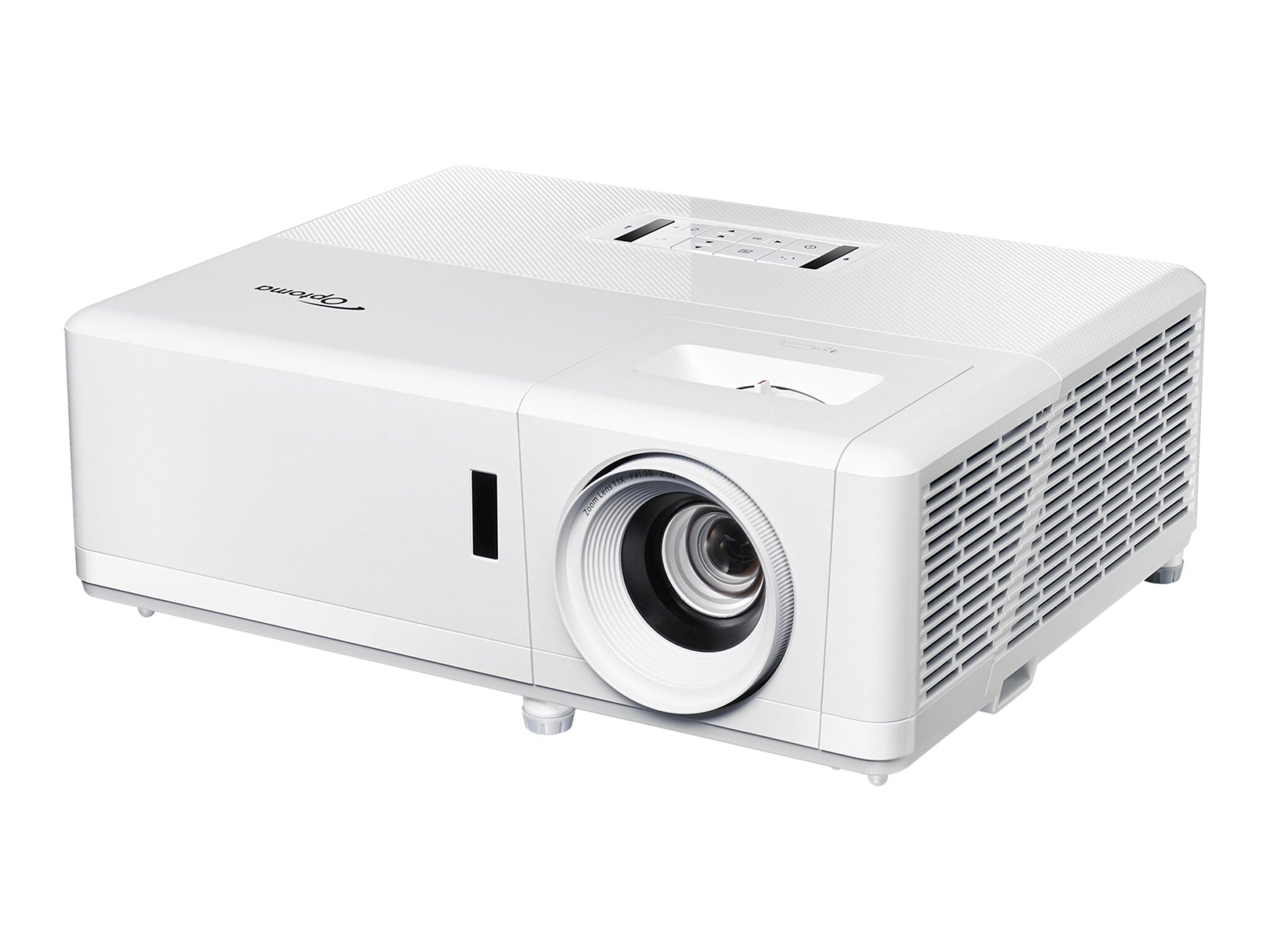
Laser changes the ownership equation: no lamp to replace, instant on/off, and brightness that stays consistent for 30,000 hours instead of slowly dimming. The Optoma UHZ45 brings that laser longevity to a true 4K UHD image with a blazing 3,800 lumens — the brightest projector in this list — and it does it while staying well under the $2000 ceiling.
The DuraCore laser engine is the star: 30,000 hours of maintenance-free operation means a movie every night for decades before it dims. Picture quality is strong: sharp 4K detail with 8.3 million pixels, HDR10 and HLG support, and a 2,000,000:1 dynamic contrast ratio. But the real story is gaming — with 240Hz refresh rate at 1080p and just 4ms input lag, plus 16.6ms at 4K60, this is one of the most responsive projectors you can buy. The 3,800 lumens handles even bright living rooms with ease, making it the pick for gamers and bright-room viewers who want laser longevity.
Pros:
- 3,800 lumens — brightest in this roundup
- 30,000-hour laser — no lamp replacements
- Exceptional gaming specs (240Hz, 4ms)
- Handles bright rooms effortlessly
- Excellent value for laser + brightness
Cons:
- Black levels not as deep as pricier models
- No smart platform built in
- Larger chassis than portable options
6. XGIMI Horizon Ultra — Best Premium Smart 4K Projector
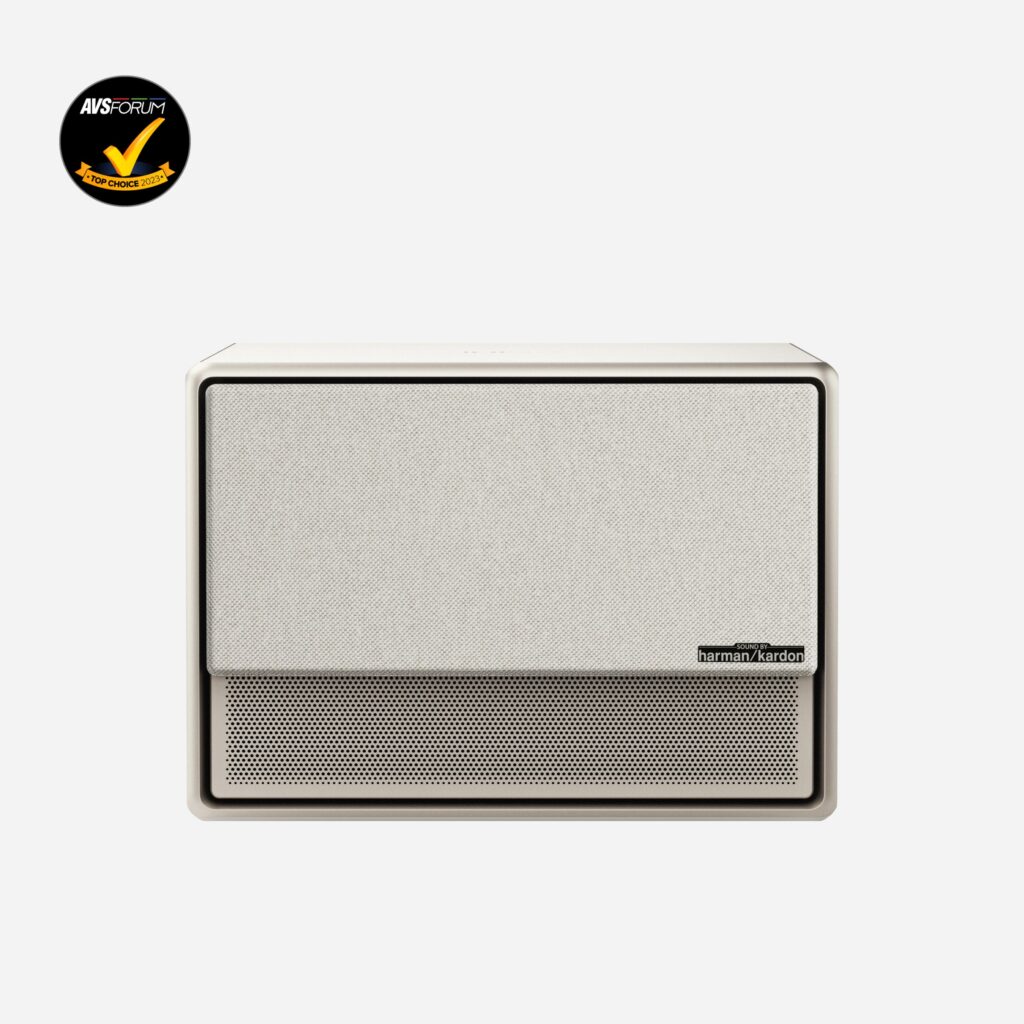
Some buyers want the projector to disappear into the experience: carry it in, set it down, and have a perfect 4K picture in seconds — no mounts, no calibration, no dongles. The XGIMI Horizon Ultra is the best execution of that vision under $2000.
Its Intelligent Screen Adaptation (ISA 3.0) is genuinely best-in-class: autofocus, auto keystone, screen-edge fitting, and obstacle avoidance happen automatically in seconds, even if you set it down crooked. The 4K image supports Dolby Vision — rare at this price — with an LED+laser hybrid engine at 2,300 ISO lumens. The Harman Kardon speakers are the best built into any projector on this list.
Android TV (licensed, with proper Netflix support) means every streaming app works out of the box. For apartments, bedrooms, and multi-room use where a ceiling-mounted Epson is overkill, the Horizon Ultra’s convenience is transformative.
The honest limits: 2,300 ISO lumens can’t fight real daylight like the 4,000-lumen brutes; it’s a chunky portable rather than pocketable, and purists will note DLP rainbow potential. But as a smart, beautiful, carry-anywhere 4K cinema, nothing else here matches the complete package.
Key specs: True 4K UHD · 2,300 ISO lumens · LED+laser hybrid · Dolby Vision + HDR10 · Harman Kardon audio · ISA 3.0 auto-setup · Android TV (licensed)
✓ Pros
- Best automatic setup in the business — truly effortless
- Dolby Vision support at this price is rare
- Excellent built-in Harman Kardon sound
- Fully licensed smart platform, Netflix included
✗ Cons
- Not bright enough for daylight viewing
- Larger than true portable projectors
- Premium pricing for the convenience
Why buy it: The easiest great-looking 4K projector to live with — set it down anywhere and press play.
7. Dangbei Mars Pro 2 — Best Value 4K Laser Projector
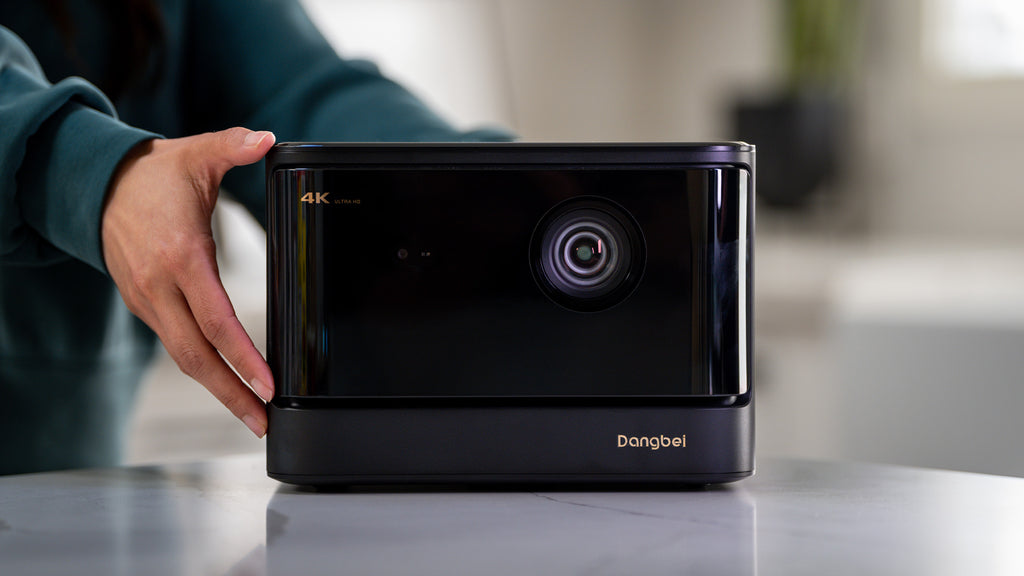
The Dangbei Mars Pro 2 is what happens when a laser projector skips the brand tax: a true 4K laser image with around 2,450 ISO lumens of brightness, Google TV with properly licensed apps, and strong contrast — at a price that embarrasses bigger names. If the Optoma UHZ45 is the premium laser pick, the Mars Pro 2 is the smart-money one.
Image quality punches well above its class. The laser engine delivers sharp 4K detail with the punchy contrast lasers are known for, HDR10+HLG support handles modern content properly, and brightness is ample for dark-to-moderate rooms. Setup is assisted with autofocus and auto keystone, and the Google TV platform means Netflix, Disney+, and Prime Video all work natively — no side-loading, no workarounds.
It’s heavier than lifestyle portables, so treat it as a semi-permanent install on a shelf or media cart rather than a travel companion. Built-in speakers are decent but not special — a soundbar completes the theater. And as a newer brand in Western markets, it’s worth confirming warranty terms with the seller.
For buyers who want laser longevity and 4K sharpness while keeping money in their pocket, the Mars Pro 2 is the value king of this list.
Key specs: True 4K UHD · ~2,450 ISO lumens · laser (20,000+ hrs) · HDR10 + HLG · Google TV (licensed) · autofocus + auto keystone
✓ Pros
- Outstanding laser value — 4K laser for far less than rivals
- Bright, high-contrast image
- Properly licensed Google TV with Netflix
- Long laser lifespan, no lamp costs
✗ Cons
- Heavier — semi-permanent placement, not travel-friendly
- Built-in audio is only decent
- Newer brand; verify warranty terms
Why buy it: The best budget 4k projector with a laser engine — 4K laser performance without the premium-brand markup.
8. BenQ TK700STi — Best Short-Throw 4K Gaming Projector
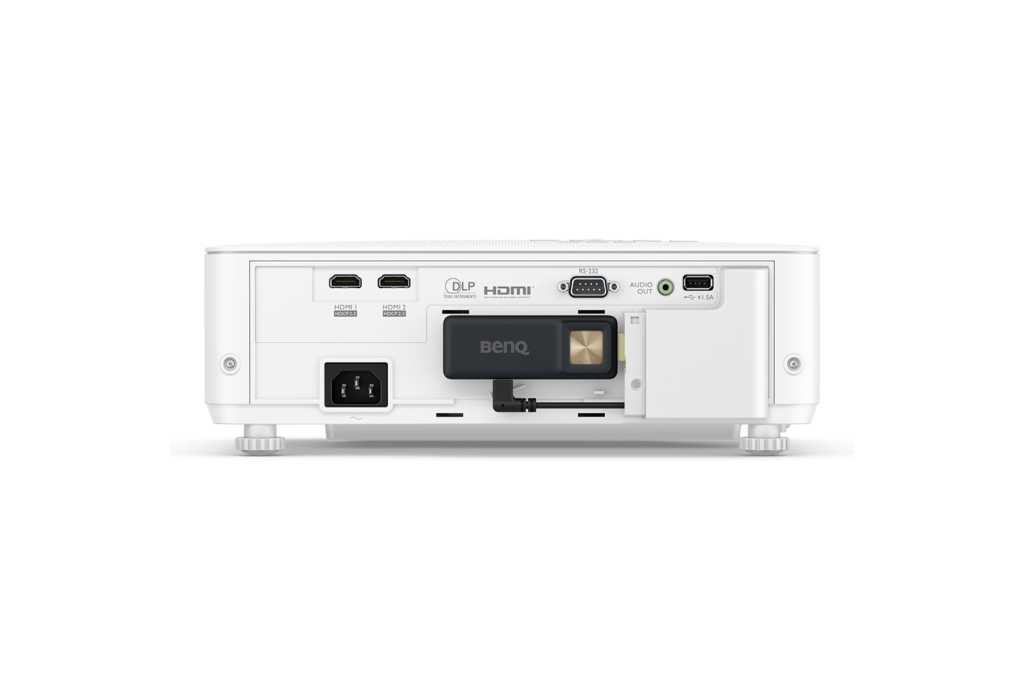
Tight room? The BenQ TK700STi solves the space problem and the gaming problem in one box. Its short-throw lens produces a 100-inch 4K image from just over 6 feet away — perfect for bedrooms, apartments, and gaming dens where a standard projector can’t get far enough back. And with 16ms input lag at 4K60, it’s properly fast for console gaming.
Beyond gaming, it’s a genuinely good all-rounder: true 4K UHD, 3,000 lumens for ambient light, HDR10/HLG, and GameMode presets that optimize picture and audio per genre. The included Android TV dongle adds smart streaming without extra boxes.
The short-throw design means placement is specific — plan your furniture accordingly. Contrast is good rather than class-leading, and single-chip DLP means rainbow-sensitive viewers should consider the Epson alternatives.
Key specs: True 4K UHD · 3,000 lumens · short throw (100″ from ~6.5 ft) · 16ms input lag at 4K60 · HDR10 + HLG · Android TV (dongle included) · GameMode presets
✓ Pros
- Huge 4K image from very short distances — ideal for small rooms
- Fast 16ms gaming response at full 4K
- Bright enough for ambient light
- Smart streaming included via Android TV dongle
✗ Cons
- Placement is specific to short-throw geometry
- Contrast is good, not reference-grade
- Possible rainbow effect for sensitive viewers
Why buy it: Small room + big gaming ambitions = this projector. Short throw, low lag, true 4K.
9. Hisense C2 — Best Portable Mini 4K Projector
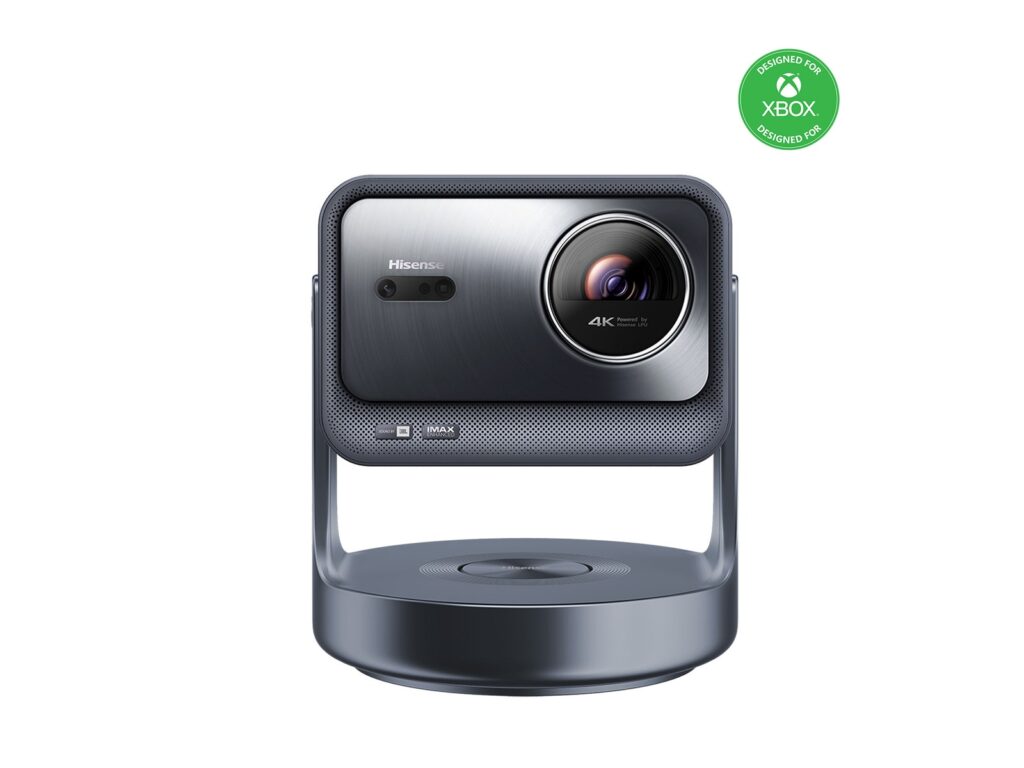
The Hisense C2 proves that “portable” and “serious 4K” aren’t mutually exclusive. This compact triple-laser projector delivers genuine 4K UHD resolution with the wide color and punchy contrast that only RGB triple-laser can produce — 110% BT.2020 color coverage — in a chassis you can carry room to room with one hand.
At 2,000 ANSI lumens, it’s made for dim-to-dark rooms, but there the image is stunning: Dolby Vision (rare in minis), genuinely enjoyable JBL-tuned sound with DTS Virtual:X, and a real optical zoom — almost unheard of at this size. The gimbal-style design lets you tilt 360° horizontally and 135° vertically for ceiling projection. Autofocus and keystone make setup instant, and VIDAA OS includes Netflix. It’s the lifestyle pick of this list: bedrooms, dorms, backyard movie nights (after dark), and anyone who wants flagship laser image tech without a permanent installation.
Pros:
- Triple-laser color in a portable form factor
- Dolby Vision support (rare at this size)
- Gimbal design for flexible placement
- Good JBL-tuned audio
- Optical zoom (uncommon in minis)
Cons:
- 2,000 lumens needs dark rooms
- Premium price for the size
- VIDAA has fewer apps than Google TV
10. JMGO N1S Ultimate — Best Gimbal-Style Smart 4K Projector
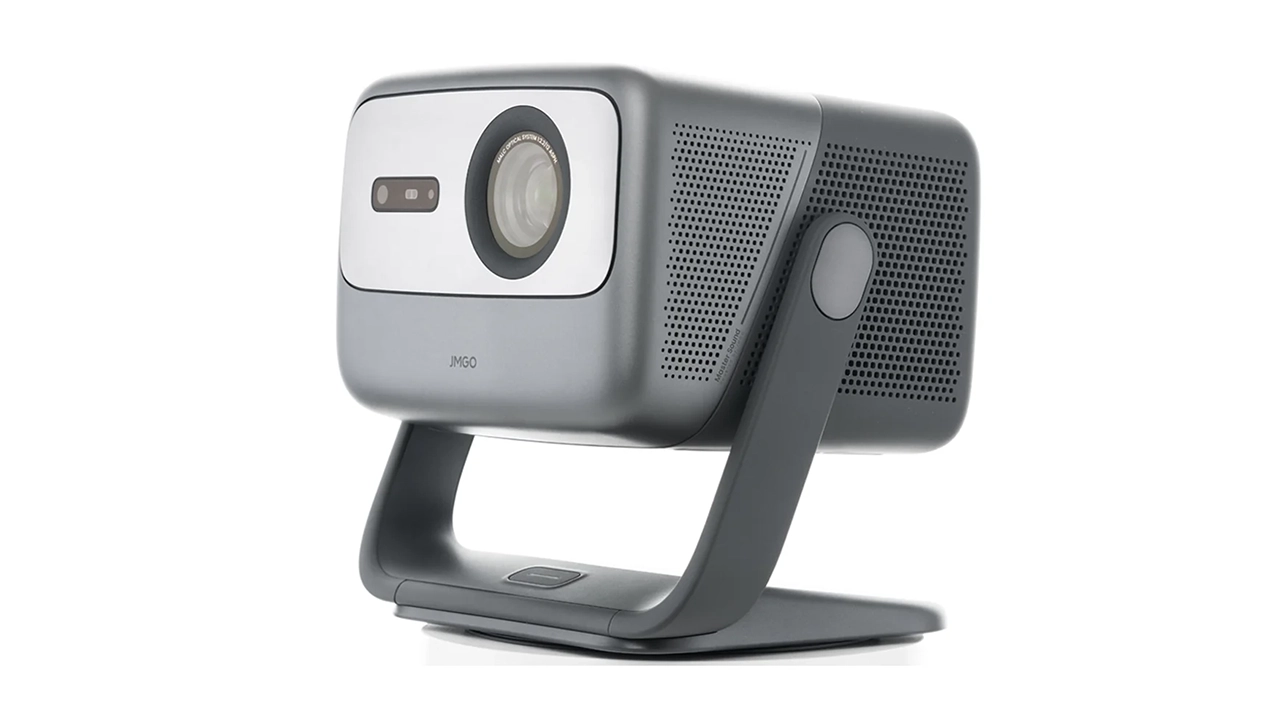
The JMGO N1S Ultimate takes the “set it down anywhere” concept to its pinnacle: the entire projector head sits on a smooth 360° gimbal with 135° vertical rotation, so you can aim the 4K image at any wall or even the ceiling with a flick of the wrist — no tripod, no stacking books, no keystone gymnastics. For bedrooms and casual spaces, it’s a genuinely delightful design.
Underneath is flagship tech: triple-laser 4K at 3,300 ISO lumens (3,500 ANSI), Google TV with native Netflix, HDR10, and 20W Dolby audio with DTS-HD. The MALC 2.0 triple laser engine delivers 110% BT.2020 color with Delta E less than 1 accuracy — reference-level color in a portable form factor. Real-time auto screen fit squares the image even at extreme angles, and the 3D-TOF sensor with CMOS camera ensures instant focus. At 3,300 ISO lumens, it’s bright enough for evening viewing with some ambient light, with a 30,000-hour laser. This is the ultimate (pun intended) lifestyle projector for those who want the best image quality without a permanent setup.
Pros:
- 3,300 ISO lumens — brightest gimbal projector
- Reference-level color accuracy (ΔE<1)
- 360° gimbal for ultimate placement freedom
- Google TV with native Netflix
- Excellent built-in audio
Cons:
- Premium pricing (watch for sales)
- Larger than ultra-portable minis
- Best in dim-to-dark rooms despite brightness
Native 4K vs. Pixel-Shift: what are you actually buying?
This is the most misunderstood spec in the category. Native 4K projectors (BenQ TK800M, Optoma UHD38, ViewSonic PX749-4K) put 8.3 million distinct pixels on screen from a true 3840×2160 chip. Pixel-shift designs (Epson’s 4K PRO-UHD) start from a lower-resolution chip and shift pixels at high speed to produce a 4K image — Epson’s implementation is excellent and, at normal seating distances, looks every bit as detailed as native 4K for movies.
Where native 4K pulls ahead: fine text, PC desktop use, and fast-motion sharpness. For film watching in a home theater, a great pixel-shifter like the Epson 3800 beats a mediocre native-4K unit. Judge the image, not just the chip.
4K Projector for Home Theater: Dark Room vs. Bright Room
Your room decides your projector more than any spec sheet:
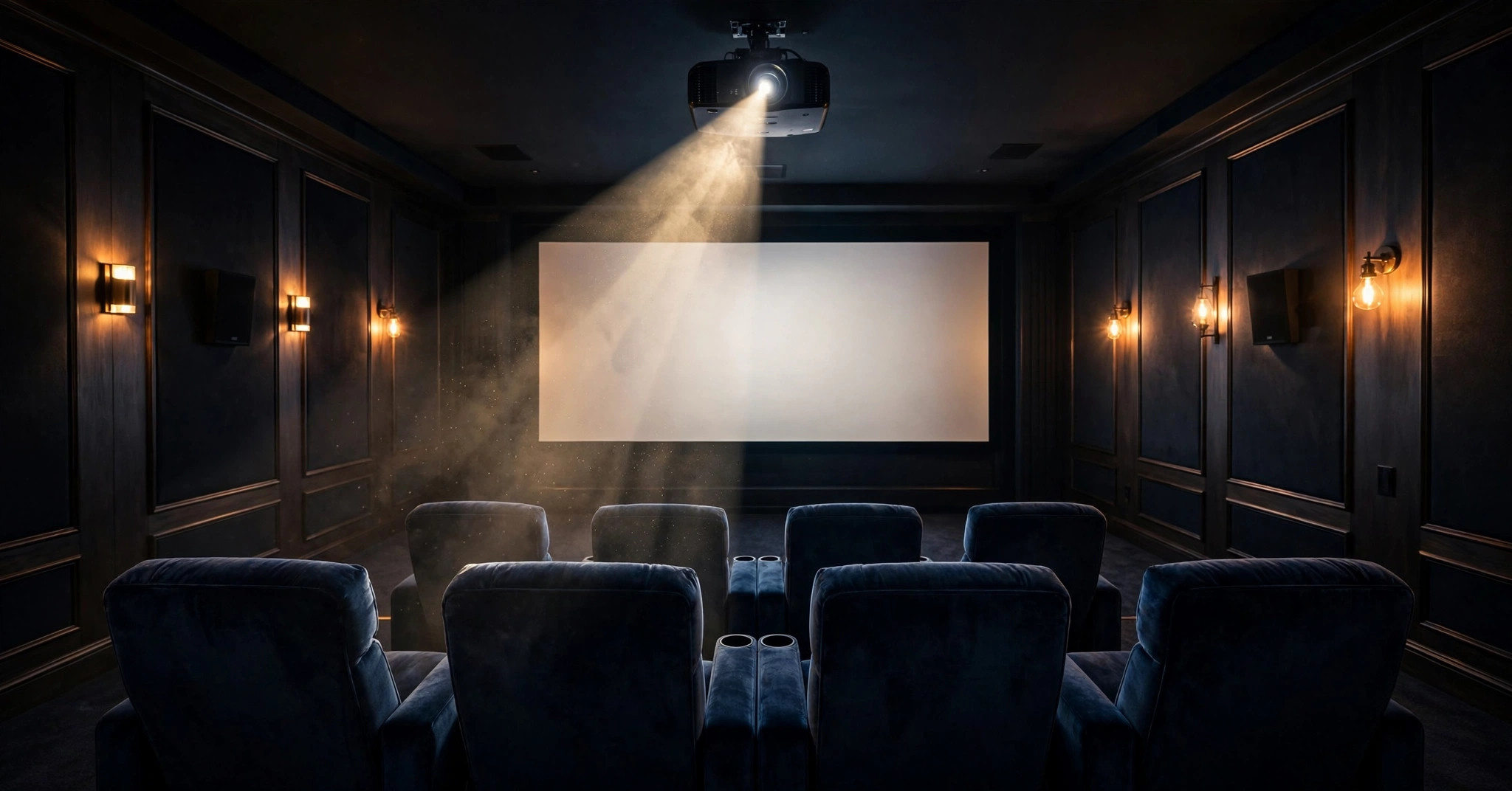
– Dedicated dark room: prioritize contrast and color — BenQ TK800M or Epson 3800. Lumens matter less when there’s no light to fight.
– Living room with windows: prioritize brightness — ViewSonic PX749-4K (4,000 lumens) or Optoma UHD38. You can add blackout curtains later; you can’t add lumens later.
– Multi-use family space: the all-rounders — Epson 3800 or XGIMI Horizon Ultra — balance both worlds.
4K Projector for Gaming: What actually matters?
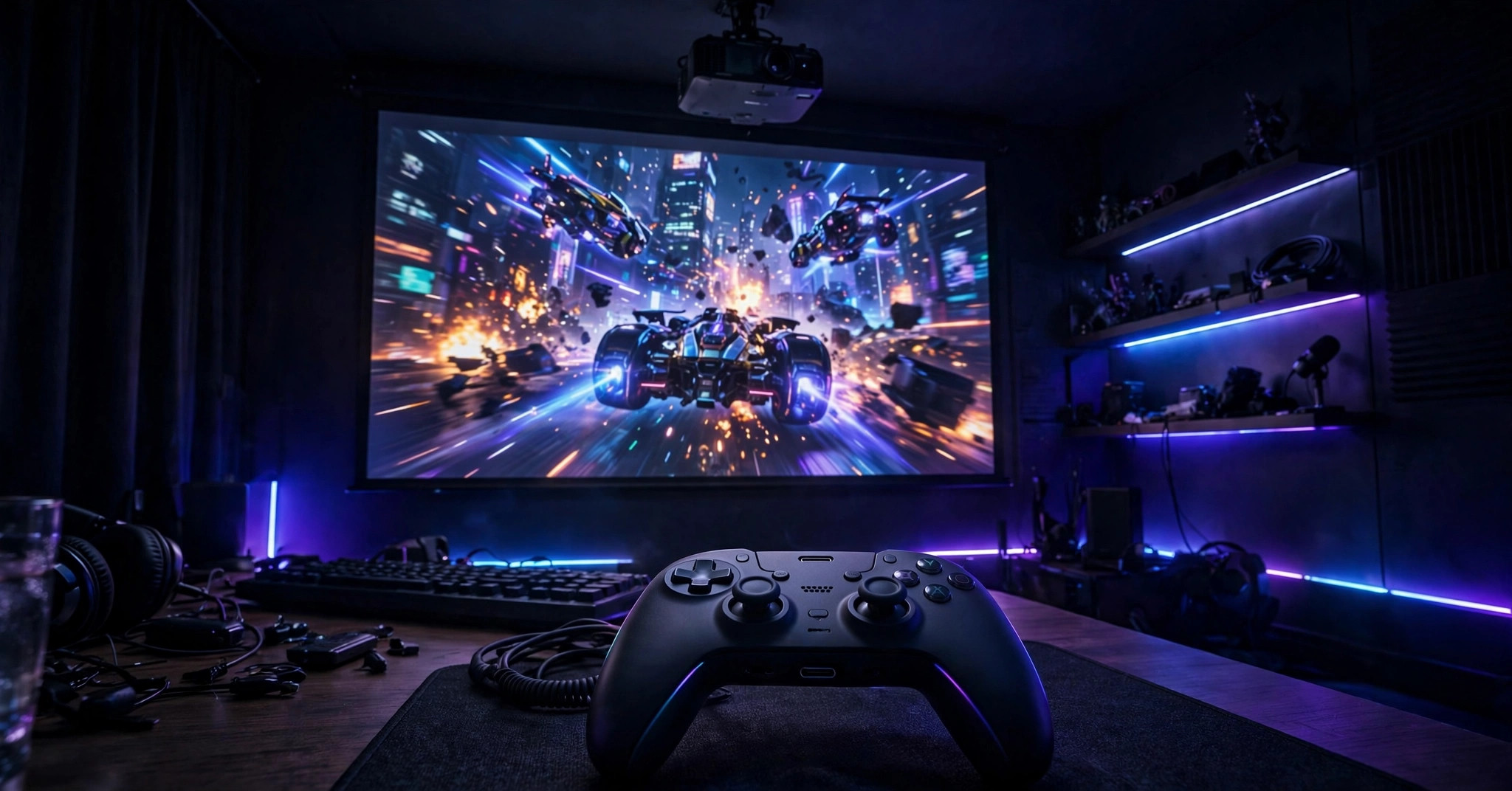
For more dedicated gaming options at lower prices, see our best cheap projector for gaming guide. Two numbers: input lag and refresh rate. For competitive play, look for under 20ms at your target resolution — the Optoma UHD38 (4.2ms) and BenQ TK700STi (16ms at 4K) lead here. A 120Hz/240Hz mode smooths fast motion dramatically. Also confirm HDMI 2.0 bandwidth (18Gbps) for 4K60 HDR from PS5/Xbox — all our gaming picks have it.
Cheap 4K projector traps to avoid
“Cheap” in 4K land has traps: projectors advertising tens of thousands of “lumens” with no ANSI rating, “4K-supported” models that display 1080p, and no-name brands with no warranty. Our rule: verifiable ANSI/ISO lumens, true 4K (native or proven pixel-shift), and a brand with real support. Every pick on this list passes all three.
Laser vs. lamp: the ownership math
Laser (Optoma UHZ45, Dangbei Mars Pro 2, JMGO N1S Ultimate, Hisense C2): 20,000–30,000 hours, instant on/off, consistent brightness for life, zero replacement cost. Lamp (Epson 3800, BenQ TK800M, ViewSonic PX749-4K): cheaper upfront, but lamps cost real money every 3,000–5,000 hours and brightness fades. Daily viewers should lean laser; weekly movie-night users do fine with lamps.
Throw distance and placement
Measure before buying. Standard projectors need 8–12 feet for 100 inches; short-throw models (BenQ TK700STi) do it from ~6 feet — made for small rooms. Look for zoom + lens shift (Epson 3800’s 1.62x zoom and vertical shift are class-leading) if your mounting position isn’t perfect. And budget for a screen: even a basic fixed-frame screen visibly beats a bare wall.
Do you need a smart platform?
If you already own a Fire TV Stick, Apple TV, or console, a “dumb” projector (Epson 3800, BenQ TK800M) is fine — often cheaper for equal image quality. If you want one remote and zero boxes, the smart picks (Horizon Ultra, Mars Pro 2, N1S Ultimate, C2) with licensed Netflix are worth it. Avoid unlicensed Android — Netflix won’t work properly on it.
Frequently Asked Questions
What is the best 4K projector under $2000 in 2026?
For most buyers, the Epson Home Cinema 3800 — superb rainbow-free color, 3,000 lumens, true versatility. Dark-room purists: BenQ TK800M. Gamers: Optoma UHD38. Bright rooms: ViewSonic PX749-4K.
Is a true 4K projector worth it over a 1080p projector?
Yes, at this budget — the difference is clearly visible on screens over 100 inches: finer detail, better HDR, sharper text. The price gap between good 1080p and good 4K has shrunk enough that 4K is the sensible buy in 2026.
What’s the difference between native 4K and pixel-shift 4K?
Native 4K uses a true 3840×2160 chip (8.3M pixels); pixel-shift (like Epson’s 4K PRO-UHD) shifts a lower-resolution chip rapidly to produce a 4K image. For movies at normal viewing distances, a great pixel-shifter looks essentially identical to native 4K — native pulls ahead mainly for PC text and fast motion.
How many lumens do I need for a 4K home theater?
In a dark dedicated room, 2,000+ ANSI lumens is plenty. For living rooms with ambient light, aim for 3,000+. For daylight viewing, 4,000 (ViewSonic PX749-4K territory). Always check the ANSI/ISO figure, not marketing “LED lumens.”
Can I use a 4K projector for PS5 and Xbox gaming?
Absolutely — look for input lag under 20ms and HDMI 2.0 (18Gbps) for 4K60 HDR. The Optoma UHD38 and BenQ TK700STi are the standouts here, with the Epson 3800 also handling 4K60 gaming well.
Laser or lamp projector — which lasts longer?
Laser, by a wide margin: 20,000–30,000 hours with no brightness fade and no replacement cost, versus 3,000–5,000 hours per lamp (with gradual dimming). If you watch daily, laser pays for itself; for weekly movie nights, lamps are fine.
Do I need a special screen for a 4K projector?
To see the full benefit of 4K, yes — a proper screen resolves noticeably more detail than a textured wall, and an ALR (ambient light rejecting) screen transforms bright-room viewing. The best upgrade after the projector itself.
Final Verdict
The best 4K projector under $2000 is the one that matches your room and your habits. Want the safest all-around choice? Epson Home Cinema 3800. Dedicated dark theater? BenQ TK800M. Bright living room? ViewSonic PX749-4K. Gaming first? Optoma UHD38 (or the short-throw BenQ TK700STi for small rooms). Want laser longevity? Optoma UHZ45 or the value-packed Dangbei Mars Pro 2. Prefer effortless smart convenience? XGIMI Horizon Ultra, Hisense C2, or the gimbal-toting JMGO N1S Ultimate.
Buy for your room, prioritize verified brightness over marketing numbers, and never pay for fake “4K.”