How to Get Wrinkles Out of a Projector Screen 2026 – Complete Guide
A Wrinkled Screen Can Make a Good Projector Look Soft
Learning how to get wrinkles out of a projector screen starts with patience, because the fastest fix is often the one most likely to damage the surface. A crease catches light differently from the flat area around it, so faces, subtitles, and straight lines can look bent or uneven even when the projector is focused correctly.
Wrinkles are not all the same problem. Some are only shallow waves caused by storage, while others are sharp folds set into the material or puckers created by uneven tension. The right method depends on which kind you have and what the screen is made from.
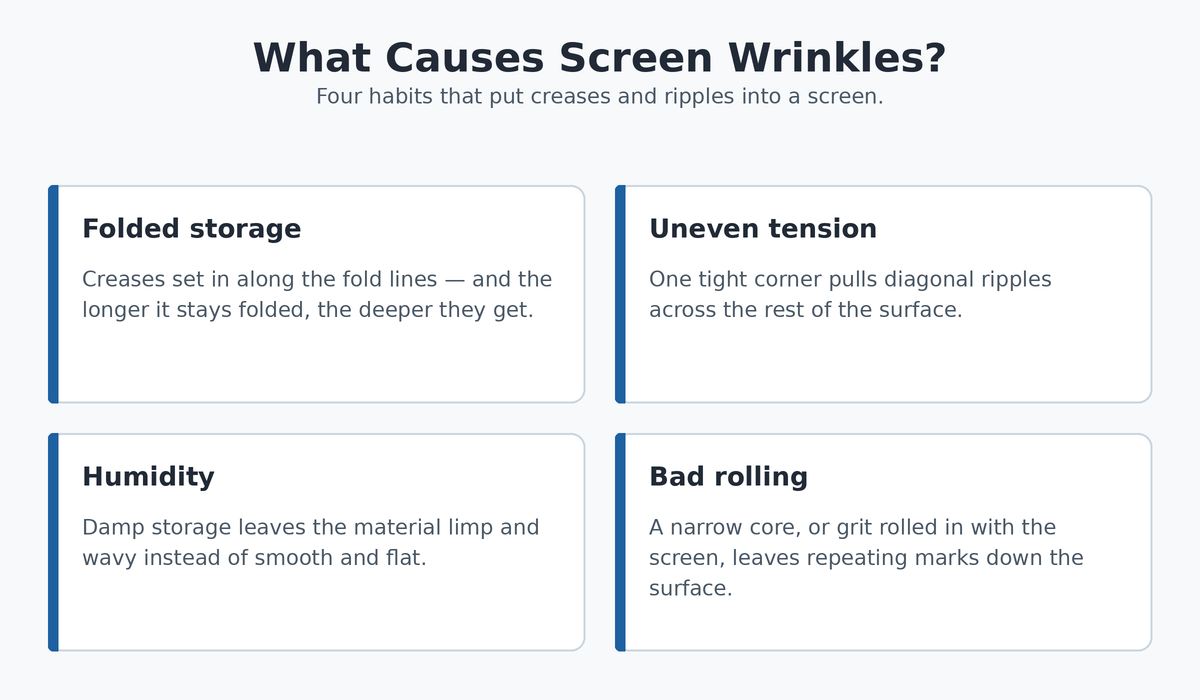
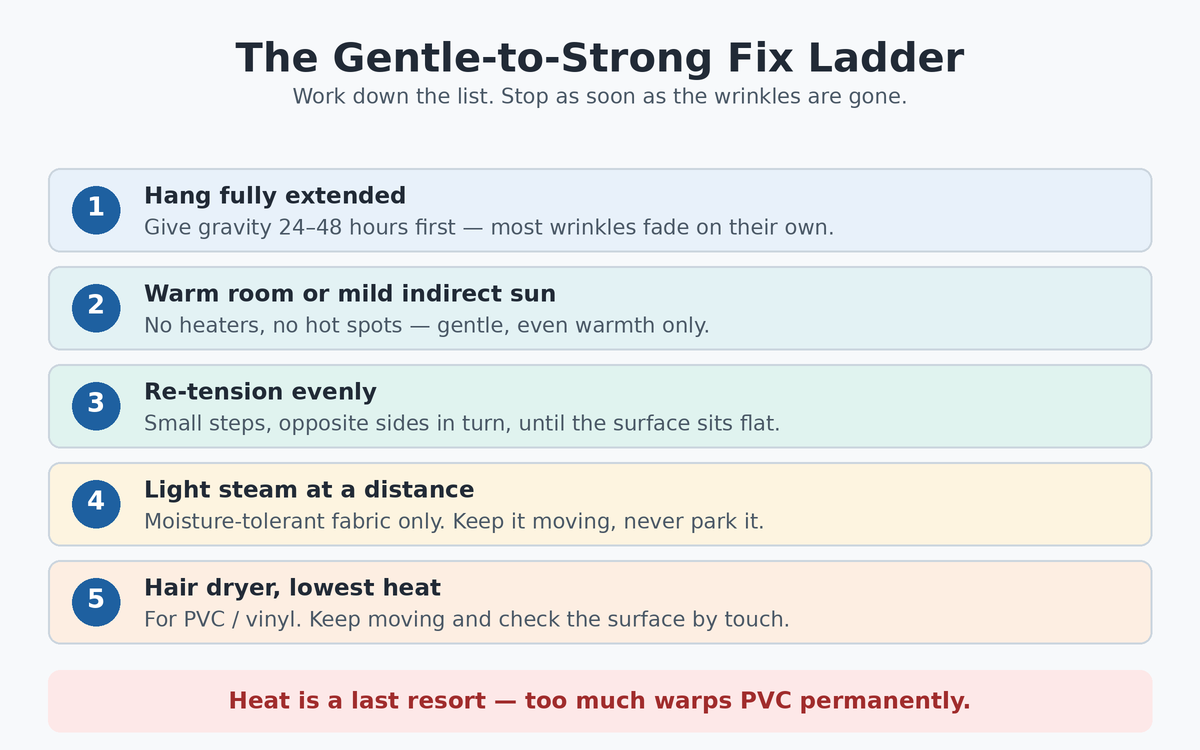
The safest order is simple: open the screen fully, give gravity time to work, correct the tension, and only then consider gentle steam or very low heat. Work slowly, check the surface often, and stop if the material begins to look glossy, warped, or stretched.
Check the Material Before You Touch the Surface
Many screens use PVC or a PVC-coated surface. This material can look smooth and durable, yet it may soften, stretch, or warp when exposed to concentrated heat. Moisture tolerance also varies, so a method that is safe for one coated screen may leave marks on another.
Woven fabric screens behave more like a heavy textile. They can often tolerate careful steaming better than thin plastic, but they may absorb moisture, show water marks, or pull out of shape if one area is heated and tugged more than the rest. Their weave can also hide a crease until light hits it at an angle.
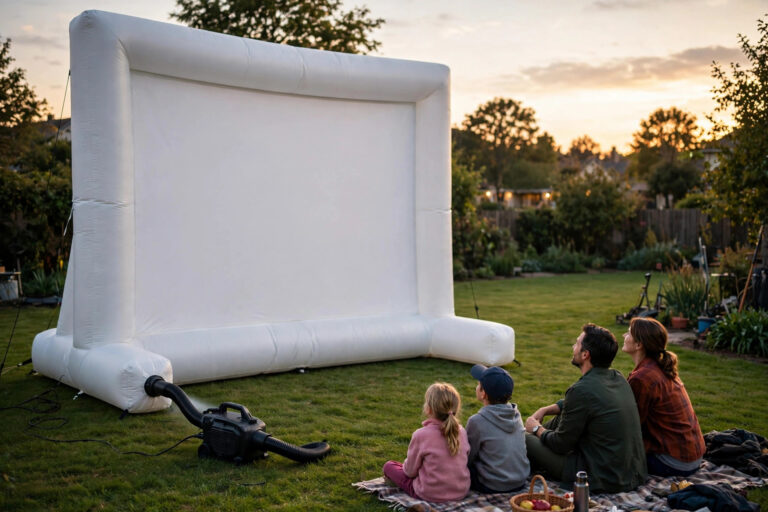
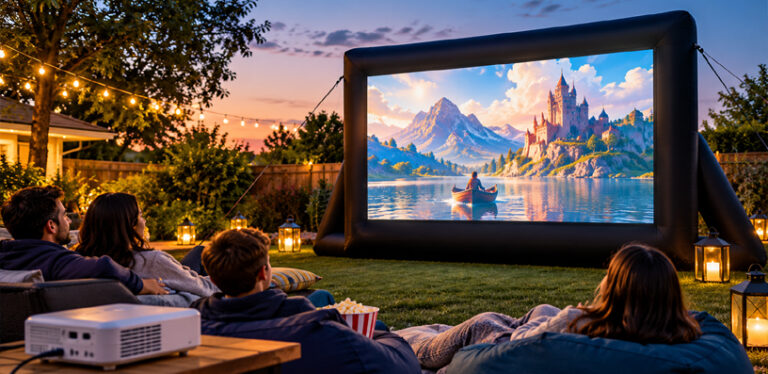
Inflatable screens use flexible vinyl and depend on air pressure for their shape. A wrinkle on an underinflated screen may be a fullness problem rather than a permanent fold, while a crease near a seam needs gentler handling.
If a care label or manual names the material, follow its limits; if the material is unknown, treat the screen as fragile and begin with the mildest method.
What Causes Wrinkles and Creases?
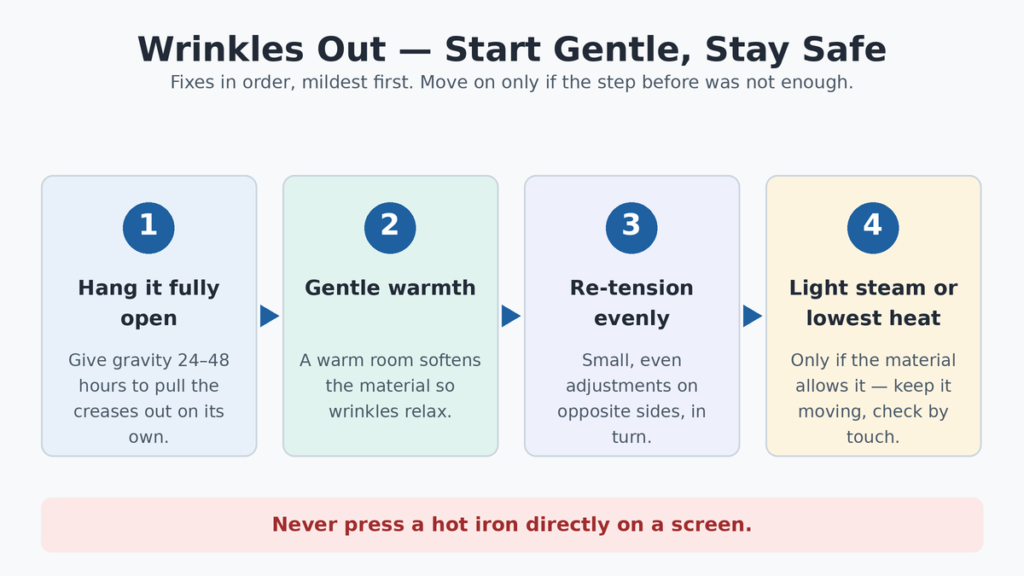
Folding is the most common cause. A screen packed into a narrow bag or folded for transport is pressed along the same lines for hours or weeks, and the material gradually remembers those bends. The longer and tighter the fold, the more time the crease needs to relax.
Uneven tension creates a different pattern. If one corner is pulled harder than the others, diagonal ripples may run from that corner, or one edge may look wavy while the rest of the screen is flat. Lost tension in a frame, a slipping mount, or fabric that has shifted in its border can produce the same effect.
Humidity and poor rolling also matter. Damp storage can make some materials limp or uneven, while rolling a screen around a narrow core, rolling it at an angle, or trapping grit against the surface can leave repeating marks. Always let a screen dry fully before judging whether a humidity-related wave is permanent.
Portable screens are especially vulnerable because they are packed away after every use. Many designs in our best outdoor projector screen roundup are meant to travel, and their wrinkle habits show why careful packing matters as much as the material itself.
A portable screen that is folded the same way every weekend can develop familiar crease lines even if it is handled gently during viewing.
How to Get Wrinkles Out of a Projector Screen, From Gentlest to Strongest
First, hang or mount the screen exactly as it will be used, fully extended and as flat as its design allows.
Open retractable screens all the way, assemble portable frames completely, and make sure no edge is twisted or caught. Then leave the screen alone for at least 24 hours, and give stubborn storage wrinkles a full 48 hours before moving to another method.
Gravity does quiet but useful work during that waiting period. The weight of the material pulls shallow waves downward, while normal room temperature lets the surface relax.
Check the screen from the main viewing seat and from a side angle, because a wrinkle that looks severe under a ceiling light may be much less visible with projected light.
Gentle warmth can help the material settle. Place the fully opened screen in a warm room, or allow mild indirect sunlight to warm the room rather than blasting one part of the screen. Avoid radiators, space heaters, and focused sun through glass, since a hot patch can expand or soften faster than the surrounding material.
Do not pull hard on a corner to speed things up. Stretching one point may make the center look flatter for a moment while creating longer diagonal waves. If the screen still looks uneven after hanging, the next step is to balance the tension rather than add force.
Re-Tension the Screen Evenly on All Sides
Look for a pattern before adjusting anything. Wrinkles radiating from one corner usually mean that corner is tighter or positioned differently from the rest, while a series of waves along one edge suggests that edge is loose or pulled unevenly. Small changes are easier to reverse than one large adjustment.
Loosen and re-mount the screen methodically, working around the frame or mounting points in small steps. Alternate between opposite sides so tension builds evenly, and keep the border straight rather than forcing the viewing surface itself.
On framed screens, reseating the material or springs evenly may solve the problem without any heat.
For a ceiling-mounted installation, confirm that the housing and drop are level and that nothing twists as the screen unrolls. Our guide to hanging a projector screen from the ceiling can help you check the mounting side of the problem.
Once the screen hangs straight, give it several more hours to settle before deciding that the wrinkles are in the material itself.
Use Steam or Low Heat Only When the Material Allows It
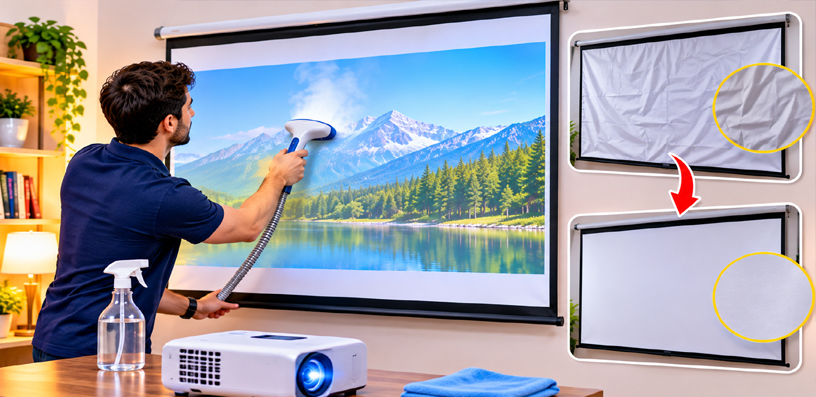
Light steam is the next option for a screen whose material tolerates moisture. Hold a garment steamer at a distance from the back of the screen where access is safe, keep it moving in slow passes, and let the warmth relax the area without soaking it. Work on a small section first, then allow it to cool and dry before judging the result.
For PVC or vinyl, a hair dryer on its lowest heat setting may be safer than steam if moisture is a concern. Keep the dryer moving at a distance, sweep across the wrinkle rather than aiming at one line, and touch the surface often to confirm that it is only mildly warm.
Never hold the dryer still, because a concentrated hot spot can set a worse distortion into the material.
Never press a hot iron directly onto a projector screen. At most, a fabric screen may tolerate an iron on its lowest setting through a protective cloth, but even that approach is risky and can flatten the texture or shine the surface. Too much heat can warp PVC permanently, so heat is a last resort, not a shortcut.
When Wrinkles May Not Fully Come Out
A brand-new screen often arrives with soft folds from packaging. Those wrinkles usually fade after the screen has been fully opened, correctly tensioned, and left hanging for a day or two.
If a new screen has a sharp crease, a damaged border, or waves that do not change at all after gentle hanging, avoid aggressive heat while the problem is documented and the material is identified.
Inflatable vinyl needs a slightly different judgment. Inflate the screen fully in a mild room, smooth the viewing area gently by hand, and let the material warm and settle before treating a storage fold as permanent.
Keep steam and dryers away from seams unless the material guidance clearly permits them, because seams and patches can react differently from the flat viewing surface.
Deep creases in thin, inexpensive PVC may never disappear completely. Repeated heating rarely fixes that kind of fold and can leave a shiny or warped patch that is more distracting than the original line.
At that point, better lighting control and seating position may reduce how noticeable the crease is during viewing, but the material itself has reached its limit.
Prevent Wrinkles With Better Storage
Roll the screen on a wide tube instead of folding it whenever the design allows separate storage. A wide core spreads pressure over a larger curve and reduces the chance of a sharp bend. Roll slowly and evenly, keep the surface clean, and do not cinch straps tightly across the viewing area.
Store the screen hanging or flat if space permits, and keep its tension even rather than letting one corner carry the weight.
Choose a dry storage place away from heaters and damp walls. If the screen needs cleaning before storage, follow the gentle methods in our guide to cleaning a projector screen and let it dry completely before rolling it away.
For portable screens, build a consistent packing routine. Release tension evenly, avoid folding along new lines, and give the packed screen enough room that other gear does not press into it. A few extra minutes during packing can prevent days of hanging and coaxing later.
Frequently Asked Questions
Will projector screen wrinkles go away on their own?
Often, yes. Shallow storage waves may relax within 24 to 48 hours after the screen is fully opened and evenly tensioned. Sharp folds in thin PVC are less likely to disappear completely.
Can you iron a projector screen?
Never place a hot iron directly on the surface. A fabric screen may tolerate the lowest iron setting through a protective cloth, but the risk of shine, flattening, or warping makes it a last resort.
Is steam or a hair dryer better for screen wrinkles?
Steam suits some moisture-tolerant fabrics, while a hair dryer on the lowest heat is often easier to control on PVC or vinyl. Keep either tool moving at a distance and test a small area first.
How long should I leave a wrinkled screen hanging?
Leave it fully extended for at least 24 hours. Give stubborn wrinkles 48 hours, correct any uneven tension, and check again before using steam or low heat.
Why does my brand-new projector screen have wrinkles?
Packaging folds are common, especially on rolled or folded portable screens. Most soften after hanging and even tensioning, but a sharp crease or damaged edge should not be attacked with strong heat.
How do I get wrinkles out of an inflatable projector screen?
Inflate it fully in a mild room and let the vinyl settle, smoothing the surface gently by hand. Avoid heat near seams unless the material guidance permits it, because seams can react differently.
What should I try first on a wrinkled screen?
Open it fully, mount it correctly, balance the tension, and leave it hanging. Time and gravity solve many shallow wrinkles without exposing the surface to moisture or heat.
When is a projector screen beyond saving?
A screen may be beyond full repair when a deep crease is set into thin PVC or the surface has warped from heat. Gentle methods can reduce some marks, but they cannot restore every damaged material.
Bottom Line
The safest way to remove projector screen wrinkles is to work from mild to stronger methods: hang the screen fully, wait 24 to 48 hours, balance the tension, and use only light steam or very low heat when the material allows it.
Identify the surface first, keep heat moving, and store the screen rolled on a wide tube or hanging flat so the same creases do not return.