How to Keep Bugs Away From Your Projector Light in 2026
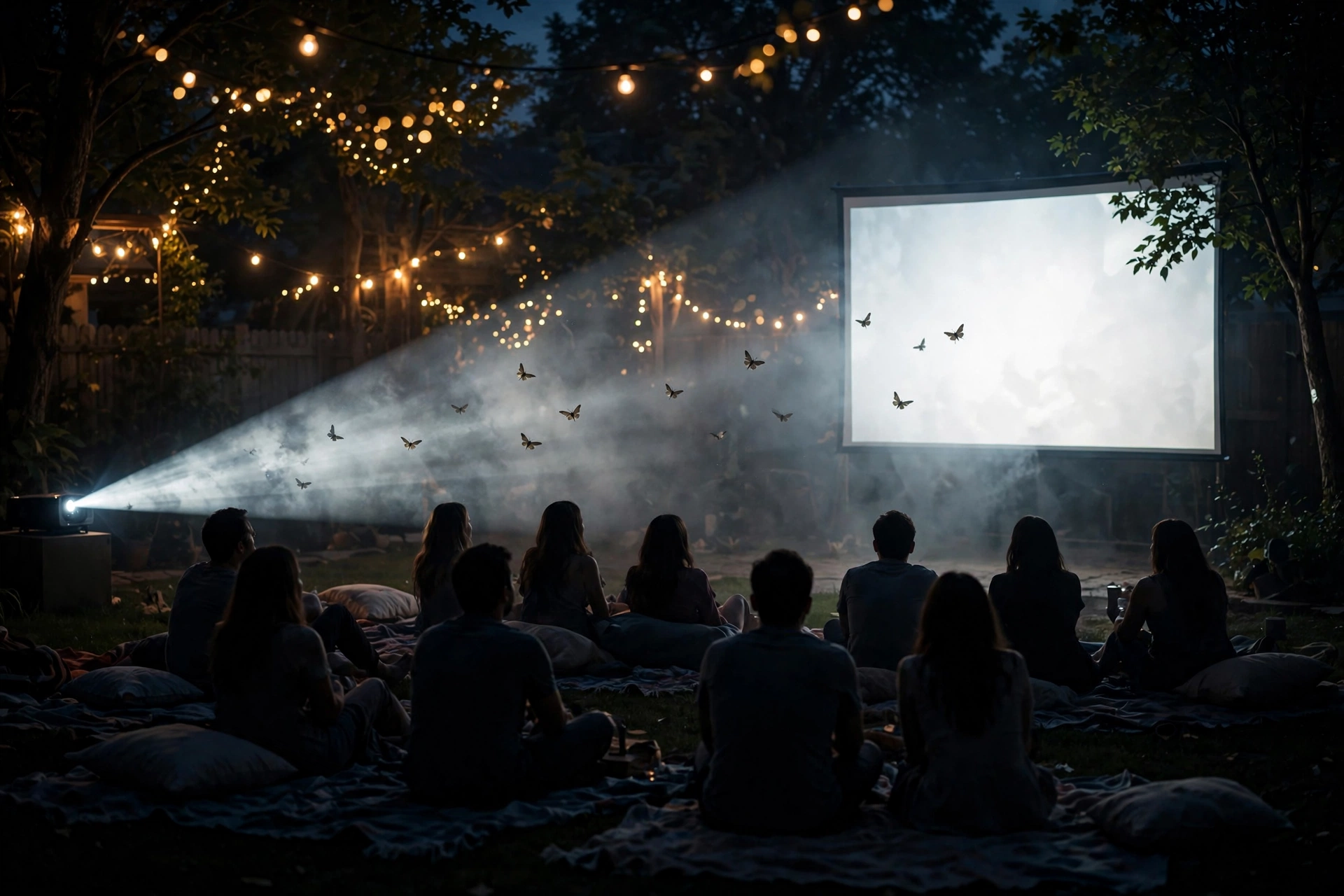
Nothing ruins the opening scene like moths dive-bombing your projector beam. If you’re wondering how to keep bugs away from your projector light, here’s the honest answer: no single trick eliminates them, but the right combination takes movie night from “swatting constantly” to “barely notice them” — and most of these cost nothing.
Bugs don’t show up by accident. Your projector is basically a bug magnet by design: it throws a bright beam of light into the dark, pumps out heat, and sits in the middle of a group of warm, breathing, CO2-exhaling humans. Understanding why they come is the key to making them go elsewhere.
Here’s what’s actually happening — and six practical fixes that work.
Why Bugs Swarm Your Projector Light
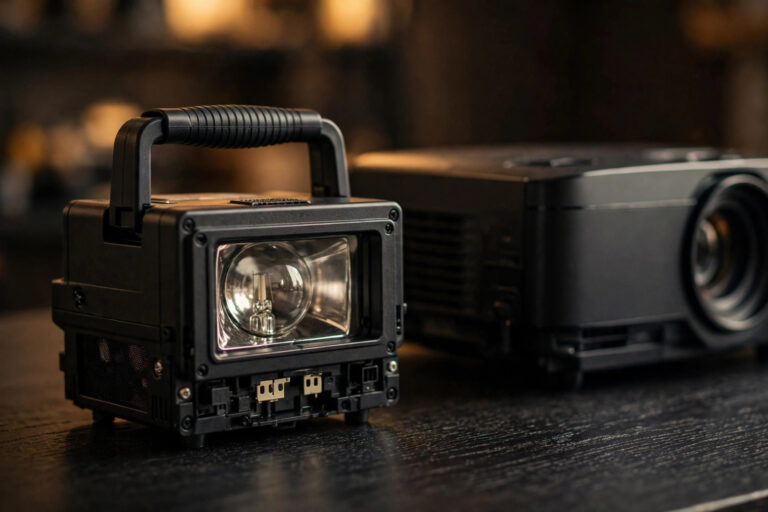
Most night-flying insects navigate partly by light. Moths, beetles, and flies are strongly drawn to the ultraviolet and blue-white wavelengths that projector lamps and LEDs throw off in abundance — your bright white beam looks, to them, like the moon, except it’s two feet from your popcorn.
This attraction is called positive phototaxis, and it’s why the bugs cluster in the beam itself and plaster themselves across the lens and screen.
But light is only half the story. The projector also radiates heat — a cozy landing pad on cool evenings — and your audience exhales carbon dioxide and gives off body heat and scent, which is exactly how mosquitoes hunt.
That’s an important distinction — mosquitoes are far less interested in your projector beam than in you. Moths in the beam and mosquitoes at your ankles are two different battles, and the tactics below cover both.
There’s no point fighting insect biology head-on. The winning strategy is redirection and deterrence: give the light-lovers something more attractive elsewhere, make your seating zone physically unpleasant for flying insects, and time your movie to dodge the worst of it.
How to Keep Bugs Away From Projector Light? – 6 Tactics That Actually Help
No single method below is 100% — anyone who promises a bug-free outdoor movie is selling something. But layered together, these six tactics genuinely transform the experience. Start with the first two; they do the heaviest lifting.
1. Set a Decoy Light Away From the Screen
This is the single most effective trick for beam-swarmers. Insects go to the brightest attractive light source, so give them a better one — somewhere else.
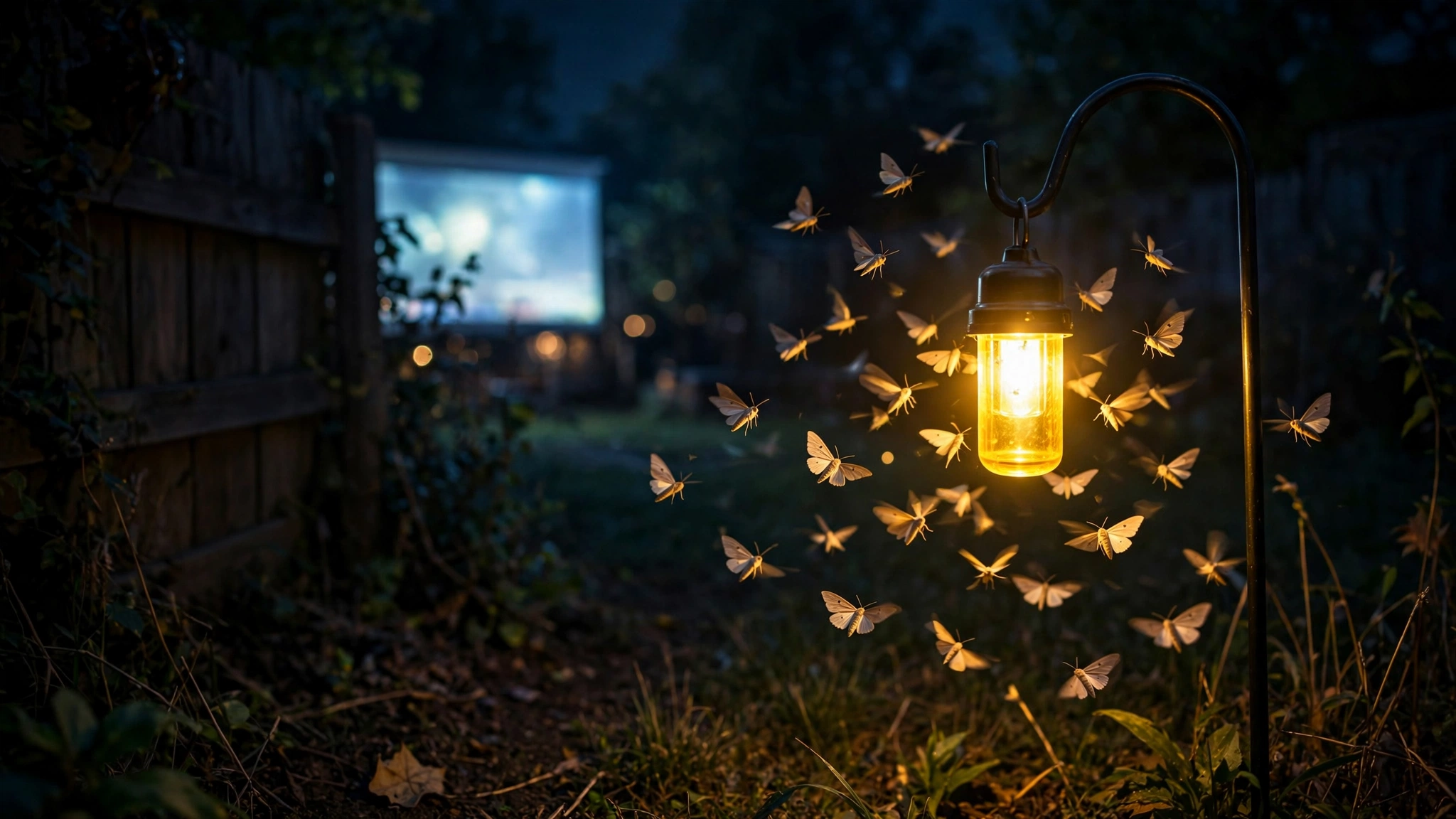
Set up a bright bug light (yellow/amber “bug lights” work, or even a plain bright porch bulb) on a pole or shepherd’s hook 30 to 50 feet away from your screen, ideally off to the side and slightly behind the seating area. The moths and beetles will congregate around the decoy instead of your projector beam.
Two details make or break this: the decoy needs to be the only competing light, so kill every other unnecessary light in the yard — porch lights, string lights near the screen, the works. And place it away from where people sit, because a decoy light also attracts the mosquitoes that follow the crowd of insects. Think of it as a bug nightclub across the yard: you want the party happening over there, not at your movie.
Yellow or amber bulbs earn their “bug light” name honestly for the decoy role: they attract fewer insects than white light while still drawing the die-hards away from your beam. Just don’t make the mistake of putting the yellow bulb at your seating area and the bright white light at the projector — that’s backwards.
2. Run a Fan Across the Seating Area
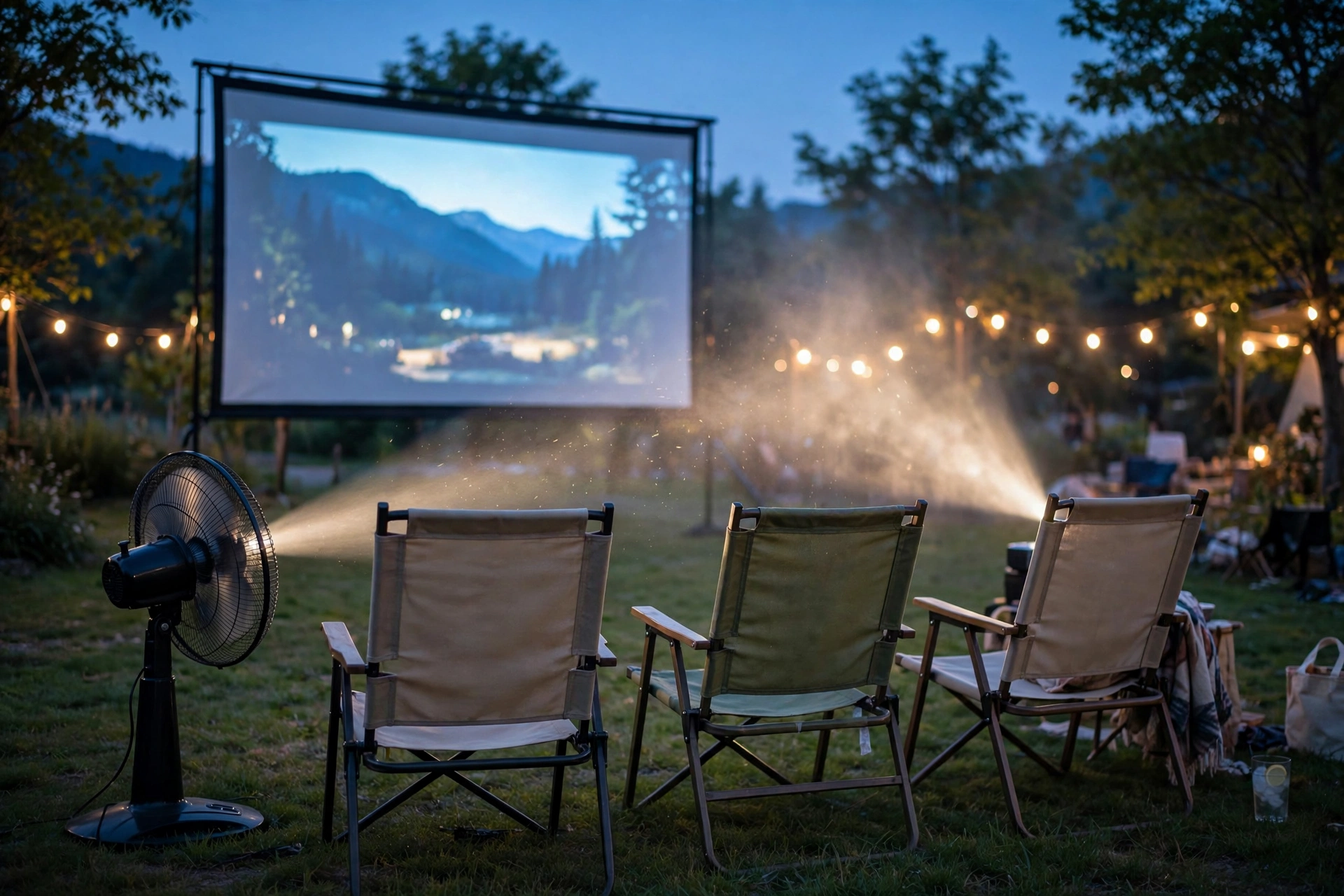
Most flying insects are terrible pilots. A simple oscillating fan (or two, for a bigger crowd) creating a gentle breeze across the seating area makes it physically hard for mosquitoes and gnats to land and hover.
This is the best mosquito defense on the list, precisely because mosquitoes don’t care much about your light strategy — but they absolutely cannot fight a steady airflow.
Position fans low, aimed across the audience rather than at the screen — you don’t want to vibrate the screen or blow dust into the projector’s vents. A fan behind the seating, blowing forward over everyone’s heads, works beautifully, and the breeze keeps everyone comfortable on warm nights too.
3. Time It Right: Start After the Peak Swarm
Insect activity isn’t constant through the evening — it peaks in the hour or so around dusk, then tapers off as the night cools. If you start your movie the moment it’s dark enough to see the picture, you’re starting at peak bug o’clock. Push showtime 45 to 60 minutes after sunset instead.
The picture will actually look better too, since true darkness does more for image quality than any brightness spec — ambient light is the real enemy of outdoor contrast, and patience beats lumens every time.
Late summer is the buggiest season in most of the US, so a September evening will be calmer than a July one. And if you’re shopping for a projector with outdoor use in mind, our guide to the best outdoor projectors covers the brightness and features that matter after dark.
Use the waiting window well: it’s the perfect time to dial in focus and keystone and sort out audio — a projector’s built-in speaker gets lost outdoors. Our walkthrough on how to connect speakers to an outdoor projector covers Bluetooth, wired, and FM options. By the time the sound check is done, the dusk swarm will have thinned, and the sky will be properly dark.
4. Use Citronella and Repellents Strategically
Citronella candles and torches do help — modestly, and only in still air within a few feet. Treat them as a perimeter defense for the seating area, not a force field for the whole yard. Place them around the edges of where people sit, not next to the projector (heat plus open flame near electronics is a bad combination, and the smoke can drift through the beam and show up on screen).
For personal protection, a standard EPA-registered repellent on exposed skin beats any candle — apply it before sitting down, not after the first bites.
Skip citronella wristbands and clip-ons; they’re weak compared to a fan plus real repellent. Layering is the theme of this whole guide: candles for ambiance and marginal help, repellent and airflow for actual results.
5. Keep the Lens Clean — Splatter Happens
Even with every tactic above, some kamikaze moth is going to meet your lens. Bug splatter on the lens shows up on screen as dark blurry blobs, and it’s the kind of thing you notice exactly once and then never un-notice.
Check the lens during a natural pause (intermission, a slow scene) and wipe it gently with a dry microfiber cloth — the kind you’d use on camera lenses or glasses, no harsh cleaners. Projector makers recommend the same dry-microfiber approach in their care guides (see BenQ‘s projector support pages, for example).
While you’re at it, keep the projector’s vents clear. Insects drawn to the heat can clog intake vents over an evening, and projectors respond by ramping the fan louder or, in extreme cases, shutting down from overheating.
Bug specks on the screen itself wipe off most materials with a damp cloth — our guide on how to clean a projector screen covers the safe way without damaging the surface.
6. Shrink the Target: Clothing, Food, and Screen Choices
Small choices add up. Dark clothing attracts fewer mosquitoes than bright whites and pastels (which reflect the light they’re navigating by). Keep food covered until you’re eating it — sugary drinks and snacks pull in wasps and flies that otherwise wouldn’t care about your movie.
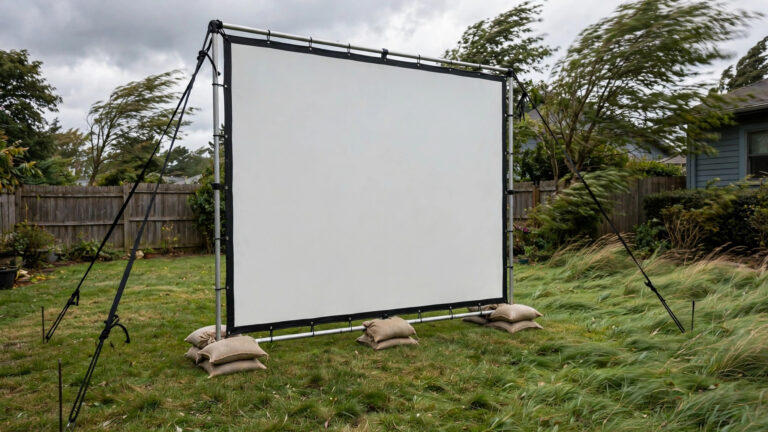
And if you’re choosing screen material, a matte white surface with moderate screen gain scatters less stray light sideways than a high-gain reflective screen, which means slightly less spill light advertising your location to every insect in the neighborhood.
None of these is decisive alone. Together, they’re the difference between a screening and a swat-fest.
What Barely Works (The Honest Edition)
Because backyard movie forums are full of confident bad advice, a quick reality check on the popular “solutions” that disappoint:
- Bug zappers next to the screen. Counterproductive. Zappers attract insects from a wide radius — including ones that would never have found your movie — then kill a fraction of them right next to your audience. If you run one at all, put it as far from the seating as the decoy light, or better yet, skip it.
- Ultrasonic pest repellers. There’s no credible evidence these do anything to mosquitoes or moths outdoors. Save your money.
- Spraying the yard with insecticide before the movie. It kills indiscriminately (including pollinators), wears off quickly, and leaves your audience sitting in treated grass. The fan-and-timing approach works better with zero downsides.
- Turning the projector to eco mode to “attract fewer bugs.” Dimming the lamp slightly doesn’t meaningfully change the attraction, and it makes your picture worse. Don’t trade image quality for a theory.
The through-line: anything that attracts more bugs to your location (zappers, bright white lights near seating) is working against you, no matter how satisfying the zap sounds. Redirect, don’t invite.
Frequently Asked Questions
Why are bugs so attracted to projector light?
Night-flying insects like moths and beetles navigate partly by light, and they’re especially drawn to the ultraviolet and blue-white wavelengths projector lamps emit — your beam reads to them like a super-moon. The projector’s heat and the carbon dioxide exhaled by your audience add to the attraction. It’s biology, not a defect in your setup.
Do bug zappers help at outdoor movie nights?
Not near the screen — they make things worse. Zappers lure insects in from a wide area and only kill a fraction of them, so placing one by your seating imports bugs that would never have found you. If you insist on running one, put it far from the audience, in the same distant zone as your decoy light.
Will citronella candles keep mosquitoes away from my projector?
Modestly, and only very close to the candle in still air. Citronella is a reasonable perimeter addition around seating, but it won’t protect the beam or the yard. A fan across the audience and repellent on skin are far more effective — mosquitoes hunt by CO2 and heat more than by light anyway.
What kind of light keeps bugs away?
Yellow or amber “bug lights” attract fewer insects than white light, which makes them ideal for the area where people sit — but the real trick is placement, not bulb color. Put an attractive decoy light far from the screen to pull bugs away, keep the seating area lit with dim yellow light, and kill every unnecessary white light in the yard.
How do I clean bug splatter off my projector lens?
Gently, with a dry microfiber cloth — the kind you’d use on eyeglasses or a camera lens. Wipe lightly in circles; skip harsh cleaners and paper towels, which can scratch coatings. Check at intermission — splatter shows up as dark, blurry blobs — and glance at the intake vents, since heat-seeking insects can clog them.
Are mosquitoes attracted to the projector light or to people?
Mostly to people. Mosquitoes hunt primarily by carbon dioxide, body heat, and scent — your audience is the target, not the beam. That’s why light-based tactics (decoys, yellow bulbs) do little against mosquitoes specifically, while fans, repellent, and timing work well. Moths in the beam and mosquitoes at your ankles need different strategies.
Bottom Line
Learning how to keep bugs away from your projector light isn’t about finding one magic fix — it’s about stacking the odds: a decoy light far from the screen to redirect the moths, a fan across the seating to defeat the mosquitoes, showtime pushed past the dusk swarm, citronella and repellent as backup, and a microfiber cloth on standby for the inevitable lens splatter.
None of these is 100% on its own, but together they turn a buggy night into a minor nuisance instead of the main event. Set it up, press play, and enjoy the movie — the bugs can have the decoy light.